

Top Solvents Manufacturer: Henan GP Chemicals Expands Its Industrial Chemical Solutions
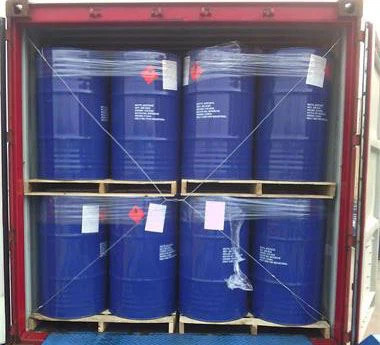
TBA(tert-butyl Alcohol)
ZHENGZHOU, HENAN, CHINA, November 3, 2026 /EINPresswire.com/ --
As manufacturers across the global economy seek reliable supplies of industrial and specialty chemicals, solvent selection and supply-chain management have become increasingly important to production planning. Henan GP Chemicals Co., Ltd. serves the international chemical market through a broad portfolio of chemical products and business-to-business distribution services. With product categories spanning solvents, polymer-related materials, pharmaceutical and agrochemical ingredients, and other industrial chemicals, the company supports customers operating in diverse manufacturing sectors. Its business reflects a wider industry trend in which buyers increasingly value product variety, technical communication, consistent supply arrangements, and responsive service alongside competitive purchasing terms.
The Continuing Importance of Solvents in Modern Manufacturing
Solvents are essential materials in numerous industrial processes. They are used to dissolve, dilute, extract, clean, formulate, and process other substances, making them important to industries such as coatings, adhesives, pharmaceuticals, plastics, rubber, agriculture, and specialty chemicals. Different applications require different solvent characteristics, including polarity, evaporation rate, solvency power, chemical compatibility, and boiling point.
In coatings and inks, solvents can influence viscosity, application properties, drying behavior, and the quality of the finished surface. In industrial cleaning, the appropriate solvent may help remove oils, residues, or other contaminants from equipment and components. Chemical manufacturers may also use solvents as reaction media, extraction agents, or processing aids, depending on the chemistry involved.
However, solvents are not interchangeable. A substance suitable for one formulation may be ineffective or incompatible with another. Manufacturers must evaluate technical requirements, product purity, regulatory restrictions, occupational exposure limits, and environmental considerations before selecting a solvent. Storage conditions, packaging, transportation requirements, and waste-management procedures also form part of the overall procurement decision.
For industrial buyers, working with a supplier that understands a broad range of chemical categories can help simplify sourcing. Henan GP Chemicals Co., Ltd. has established a business around the distribution of industrial and specialty chemicals, with solvents forming a central part of its product offering.
Henan GP Chemicals Co., Ltd. and Its Chemical Distribution Portfolio
Henan GP Chemicals Co., Ltd. is a China-based chemical supplier headquartered in Zhengzhou, Henan Province. According to its official website, the company provides business-to-business distribution solutions for industrial and specialty chemicals to customers in international markets. Its portfolio covers a wide range of product categories, including solvents, plastics and rubber, pharmaceutical and agrochemical chemicals, polyurethane and resin materials, food and feed ingredients, acrylates, adhesives, inorganic chemicals, personal care ingredients, water treatment chemicals, and coating-related products.
The breadth of this portfolio is relevant to businesses whose production processes rely on multiple chemical inputs. A coatings manufacturer, for example, may purchase solvents and resin-related materials, while a plastics processor may need polymers, additives, and processing chemicals. Pharmaceutical and agrochemical businesses may have different technical requirements, but they also depend on dependable product specifications, appropriate documentation, and careful handling throughout the supply chain.
Henan GP Chemicals states that it works with a diverse supplier base and provides one-stop sourcing services for a broad range of industrial and specialty chemicals. Its website also describes value-added services such as just-in-time delivery, product mixing, formulation, repackaging, inventory management, drum return handling, and technical services. The availability of particular services should be confirmed for the relevant product and order.
For customers, the value of a chemical distribution partner can extend beyond the transaction itself. Coordinating several product categories through one supplier may simplify communication, purchasing administration, and delivery planning. It can also help procurement teams evaluate related materials within a more organized sourcing process.
Solvents as a Foundation for Industrial Applications
Solvents are used throughout the production chain, from raw-material preparation to formulation, processing, cleaning, and final product development. Their role depends on the industry and the chemistry involved.
In the paints and coatings sector, solvents can help dissolve or disperse formulation components and adjust application characteristics. Manufacturers must balance flow, surface appearance, drying speed, and compatibility with the substrate. The correct choice depends on the resin system, application method, and required performance of the finished coating.
Adhesive manufacturers also rely on solvents in selected formulations. Solvents can influence viscosity, application behavior, and the time required for a formulation to develop its intended bonding properties. Compatibility with the adhesive ingredients and the materials being joined is essential. As regulations and customer requirements evolve, manufacturers may also assess alternative formulations with different solvent profiles.
In chemical processing, solvents may be used in synthesis, extraction, purification, or equipment cleaning. Their suitability depends on reaction conditions, the solubility of the relevant compounds, and the need to separate and recover the solvent after use. A solvent's chemical stability and potential interactions with other materials must be evaluated before use in a particular process.
Henan GP Chemicals Co., Ltd. lists a range of solvent-related products on its website, including ketones, acetates, alcohols, glycol ethers, and other chemical intermediates. These categories cover a variety of industrial uses, although each product has its own properties, limitations, and handling requirements. Buyers should identify the exact chemical, grade, and specification required rather than selecting a product based on its broad category alone.
Supporting Plastics and Rubber Manufacturing
Plastics and rubber are important downstream markets for industrial chemicals. Polymer producers and processors use a variety of raw materials, additives, plasticizers, modifiers, and processing aids to achieve the physical and chemical properties required by their products.
In plastics manufacturing, the selection of additives can influence flexibility, impact resistance, processing behavior, durability, and appearance. Plasticizers may be used in certain polymer systems to improve flexibility, while impact modifiers can help improve resistance to fracture under specified conditions. The effectiveness of any additive depends on the polymer, formulation, processing method, and final application.
Rubber production also requires carefully selected materials. Depending on the product, formulations may include base elastomers, fillers, curing agents, processing aids, and other additives. These ingredients influence characteristics such as elasticity, tensile strength, abrasion resistance, weathering performance, and processing consistency.
Henan GP Chemicals Co., Ltd. maintains a dedicated Plastics and Rubber category in its product portfolio. The company's website lists products including styrene-butadiene rubber, polymer resins, plasticizers, and other materials associated with polymer processing. Such a range can be relevant to manufacturers looking for chemical inputs across different stages of plastics and rubber production.
For industrial buyers, technical compatibility is the first consideration. The selected material must work with the intended polymer system and manufacturing process. Buyers should review specifications, recommended uses, applicable restrictions, and any relevant test data before incorporating a material into a formulation. Trial production may be necessary when changing suppliers or introducing a new ingredient.
Supply consistency is another important factor. Changes in raw-material properties can affect processing conditions and finished-product performance. Procurement teams should therefore establish clear specifications and agree on procedures for handling nonconforming material, reviewing documentation, and managing changes to product supply.
Pharmaceutical and Agrochemical Applications
Pharmaceutical and agrochemical production involves demanding requirements for chemical identity, purity, traceability, and process control. Chemical inputs may serve as intermediates, processing agents, extraction media, or ingredients in the manufacture of more complex substances. Their intended use determines the required grade, documentation, and regulatory controls.
In pharmaceutical manufacturing, the quality of a chemical input can affect process consistency and the suitability of the resulting material for its intended purpose. Buyers need to verify the relevant specification and confirm whether the product grade is appropriate for the particular application. Industrial-grade chemicals should not be assumed suitable for pharmaceutical use without supporting documentation and a formal assessment.
Agrochemical manufacturing also depends on carefully selected chemical raw materials. Depending on the product, these may be used in synthesis, formulation, or processing. Manufacturers must consider compatibility, stability, handling procedures, and the regulatory requirements that apply to the final product and its intended market.
Henan GP Chemicals Co., Ltd. lists Pharmaceutical And Agro as a separate product category. Its website identifies products such as monochloroacetic acid, dimethyl sulfoxide, piperazine, and other chemical materials associated with pharmaceutical or agrochemical supply chains. The suitability of each material depends on its exact grade, specifications, and intended application.
For buyers in these industries, the procurement process should include careful review of certificates of analysis, safety data sheets, product specifications, and any other documentation required by the relevant quality system. Where a chemical is intended for a regulated process, customers should confirm the supplier's documentation and product status before placing an order. These checks help ensure that purchasing decisions align with the technical and regulatory requirements of the application.
Product Quality, Documentation, and Responsible Handling
Quality assurance is a central concern across the chemical supply chain. A chemical product must meet the specification agreed between buyer and supplier, and its identity, concentration, impurity profile, and physical characteristics may all be important to its use.
A certificate of analysis can provide batch-specific information about tested parameters, while a safety data sheet communicates hazards, handling precautions, storage recommendations, and emergency measures. Depending on the product and application, customers may also require technical data sheets, transport documentation, origin information, or other records.
These documents are especially important when purchasing solvents and other chemicals that may be flammable, corrosive, toxic, volatile, or otherwise hazardous. Appropriate storage, ventilation, personal protective equipment, spill-response planning, and employee training should be determined from the specific chemical's hazards and applicable regulations.
Henan GP Chemicals Co., Ltd. describes technical services and other value-added activities as part of its broader business offering. For customers evaluating the company as a potential supplier, it is advisable to discuss product-specific documentation, batch traceability, packaging options, and the process for addressing quality concerns before an order is finalized.
Responsible chemical management also involves planning for transportation and end-of-life handling. Buyers should confirm the relevant shipping classification, packaging requirements, storage compatibility, and disposal obligations. Local regulations and site procedures may impose additional requirements, particularly for hazardous materials.
Supply-Chain Management and Procurement Efficiency
Chemical procurement often involves balancing several objectives at once: maintaining product availability, controlling costs, meeting quality requirements, and minimizing disruption to production. These objectives can become more complicated when a business purchases many different chemicals from multiple sources.
A broad distribution portfolio may help procurement teams consolidate orders and coordinate communications. For manufacturers that use solvents alongside plastics and rubber materials or pharmaceutical and agrochemical inputs, access to multiple categories can simplify supplier evaluation and purchasing administration.
Henan GP Chemicals Co., Ltd. states that its services include inventory management, just-in-time delivery, mixing, formulation, and repackaging, subject to the needs of the relevant product and order. Such services may be useful to customers seeking to align chemical deliveries with production schedules or specific packaging requirements. Their suitability should be confirmed directly with the company.
Supply planning should also account for lead times, order quantities, shipping routes, storage capacity, and the shelf life or stability of individual products where applicable. A reliable procurement process establishes clear specifications, realistic delivery expectations, and contingency plans for changes in demand or availability.
Price remains an important consideration, but the lowest quoted price does not always represent the lowest total cost. Differences in product grade, concentration, packaging, documentation, transport arrangements, or supply reliability may affect the cost of using a material in production. A comprehensive comparison considers these factors together.
Market Trends and the Future of Chemical Supply
The chemical industry continues to adapt to changing manufacturing requirements, evolving environmental regulations, and increased attention to supply-chain resilience. Customers are increasingly expected to assess not only the performance of a chemical but also its safe handling, regulatory status, environmental implications, and compatibility with their own production processes.
For solvent users, this may involve reviewing volatile organic compound emissions, workplace exposure, solvent recovery options, and alternatives that meet the same technical requirements. However, changing a solvent or formulation requires careful validation because substitutions can affect processing conditions and finished-product properties.
In plastics and rubber, demand for consistent materials and improved product performance continues to make specification control important. In pharmaceutical and agrochemical supply chains, documentation and quality review remain essential because the requirements for a chemical can vary significantly depending on its intended use.
Suppliers that combine product breadth with clear technical communication and organized logistics can help customers navigate these varied requirements. Henan GP Chemicals Co., Ltd.'s multi-category portfolio places it within this broader distribution market, where procurement support and access to diverse chemical products are important parts of the customer relationship.
Conclusion: A Broad Portfolio for Industrial Chemical Buyers
Solvents remain indispensable to many manufacturing processes, while plastics and rubber chemicals and pharmaceutical and agrochemical materials support additional segments of the industrial economy. Across these markets, buyers need to balance product suitability, quality documentation, safe handling, delivery planning, and overall cost.
Henan GP Chemicals Co., Ltd. offers a broad range of industrial and specialty chemicals through its business-to-business distribution model. Its Solvents portfolio, together with its Plastics and Rubber and Pharmaceutical And Agro categories, reflects the range of materials required by manufacturers across multiple sectors. For prospective customers, the most effective sourcing process begins with a clear technical specification and continues through product verification, documentation review, and confirmation of supply arrangements.
Company Profile: Henan GP Chemicals Co., Ltd.
Henan GP Chemicals Co., Ltd. is a chemical supplier headquartered in Zhengzhou, Henan Province, China. The company provides business-to-business distribution solutions for industrial and specialty chemicals to customers in international markets. Its product portfolio includes solvents, plastics and rubber materials, pharmaceutical and agrochemical chemicals, polyurethane and resin products, acrylates, adhesives, food and feed ingredients, inorganic chemicals, personal care materials, and other specialty products.
The company states that it works with a diverse supplier base and provides services that may include just-in-time delivery, product mixing, formulation, repackaging, inventory management, drum return handling, and technical support. These services are intended to support customers with varied chemical sourcing and supply-chain requirements.
With its broad product catalog, Henan GP Chemicals Co., Ltd. serves as a sourcing partner for manufacturers seeking chemical inputs for applications across coatings, adhesives, polymer processing, chemical production, and other industrial markets. Buyers should confirm product specifications, applicable grades, documentation, and availability directly with the company for each intended use.
For more information about its solvent products, Plastics and Rubber materials, Pharmaceutical And Agro chemicals, and other product categories, visit the official website: www.gpcchem.com.
Address: 29th Floor,The Cloud Center,NO.138 Ruida Road,Zhengzhou 450000,China
Official Website: https://www.gpcchem.com/
Qi
Henan GP Chemicals Co., Ltd.
info@gpcchem.com
Legal Disclaimer:
EIN Presswire provides this news content "as is" without warranty of any kind. We do not accept any responsibility or liability for the accuracy, content, images, videos, licenses, completeness, legality, or reliability of the information contained in this article. If you have any complaints or copyright issues related to this article, kindly contact the author above.
